Skiing Boarding Schools: Programs, Teams and What Families Should Know
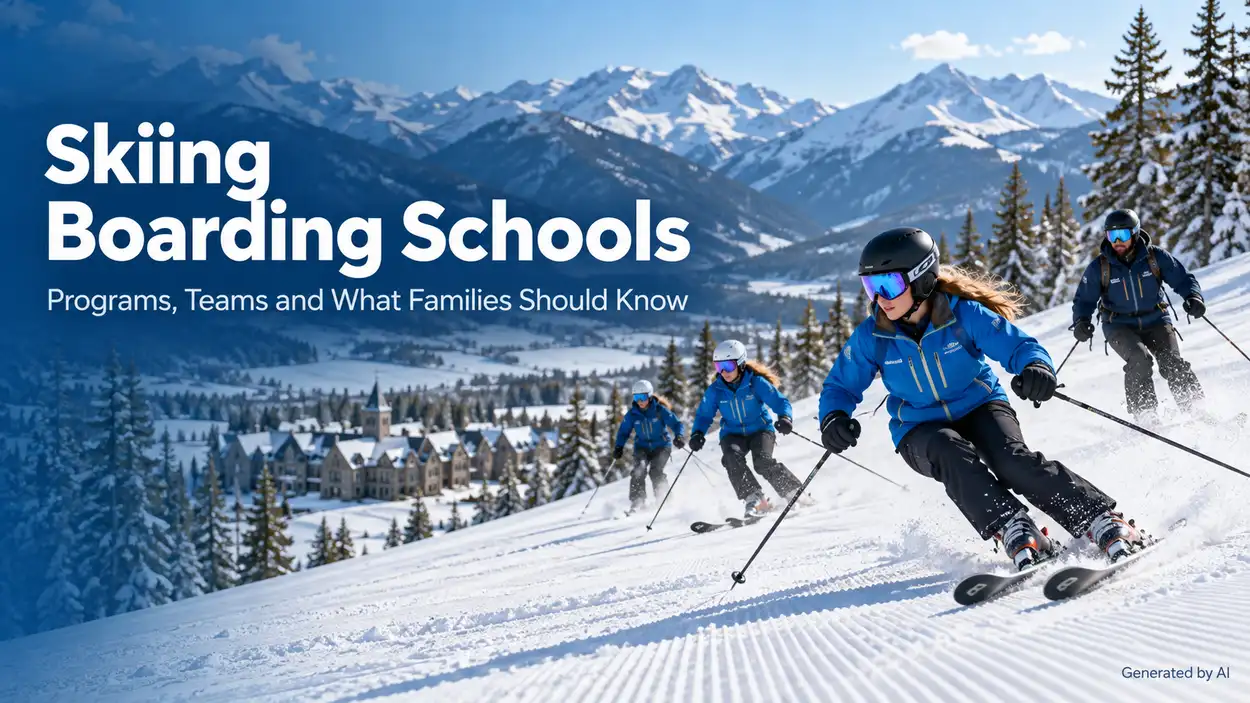
Ski boarding schools split into two different kinds of institutions. At one end sit traditional boarding schools with strong ski teams, where alpine racing, freestyle, or snowboarding sit alongside a full academic program. At the other end sit schools where skiing is a weekend or lifestyle activity rather than a competitive track.
This article explains what separates a competitive ski team from a recreational ski program, which disciplines and training facilities to expect, how schools structure academics around competition travel, and what to actually look for. It covers boarding schools with ski programs across the US, Canada, Switzerland, Europe, and the UK.
Boarding Schools with Ski Programs Worldwide
The ski boarding schools below show what each category looks like in practice, region by region. Some appear because of a genuinely competitive ski team; others because skiing is a strong part of boarding school life without the same competitive structure.
These are illustrative examples of boarding schools with ski programs in each location. Regional filter links point to the full directory for each location.
1. United States
Alpine boarding schools concentrate in New England, where several ski mountain programs draw on nearby Vermont, New Hampshire, and Massachusetts resorts. Colorado and other Western states add mountain-adjacent options where skiing sits inside a broader outdoor education program rather than a competitive team.
1.1 Brewster Academy (Wolfeboro, NH)
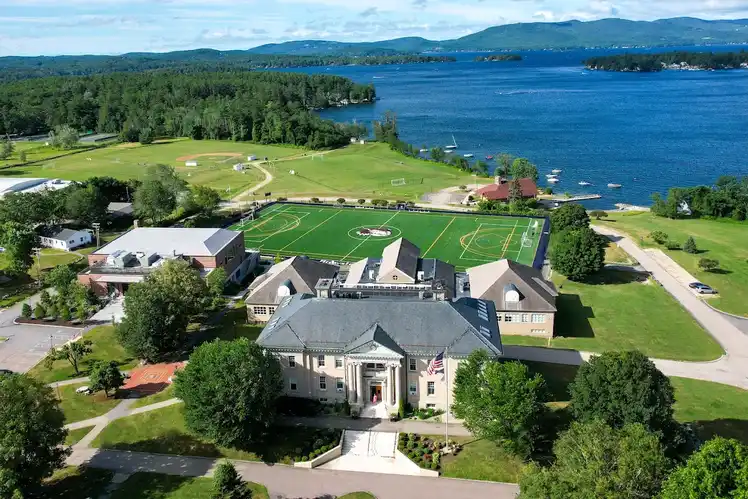
Brewster runs an alpine ski team that competes in NEPSAC District II, with optional US Ski & Snowboard-level racing for students ready to race beyond the interscholastic circuit. The school also fields a full snowboarding team across giant slalom, slopestyle, and snowboard cross. That combination makes Brewster one of the few US snowboarding boarding schools where both disciplines sit inside a single program rather than one replacing the other.
1.2 The Ethel Walker School (Simsbury, CT)
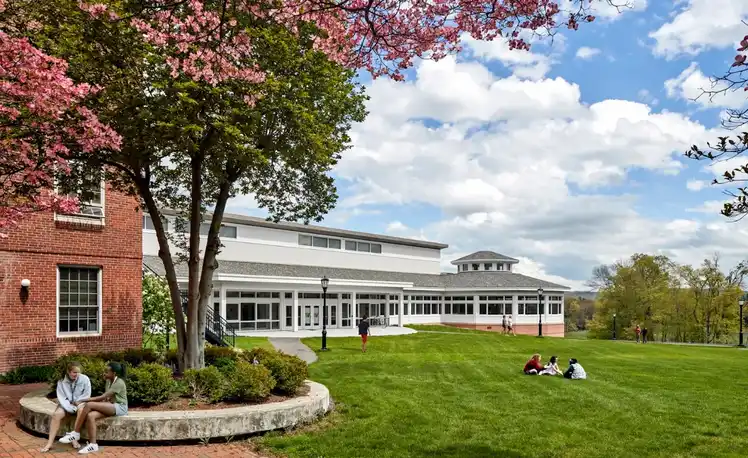
An all-girls alpine ski team competing in the Brigham Ski League and NEPSAC Class B, with several skiers also racing at the US Ski & Snowboard level across Vermont, New Hampshire, and Maine. A traditional boarding school with a serious competitive ski team layered in.
1.3 Rumsey Hall School (Washington, CT)
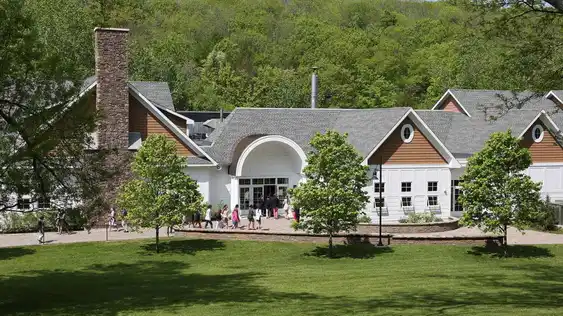
Rumsey Hall is a junior boarding school (grades 5–9) that runs both a Berkshire Hills Ski League varsity team and a separate recreational skiing and snowboarding track. That dual structure means younger students can start with recreational skiing and move into competitive racing without changing schools. One of the few ski boarding schools operating at the junior level with a confirmed competitive league.
1.4 St. Johnsbury Academy (St. Johnsbury, VT)
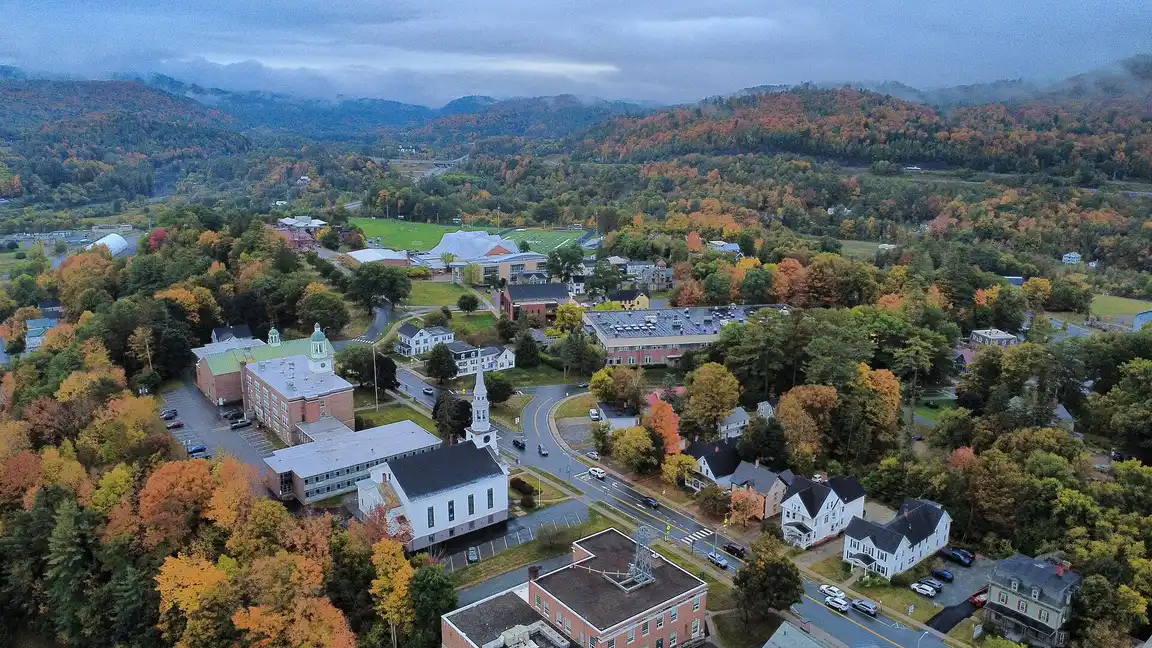
Runs both alpine and Nordic ski teams at Vermont state-championship level, with the Nordic team open to skiers of all abilities including beginners. One of the clearer examples of a boarding school with ski teams across multiple disciplines.
1.5 Fountain Valley School (Colorado Springs, CO)
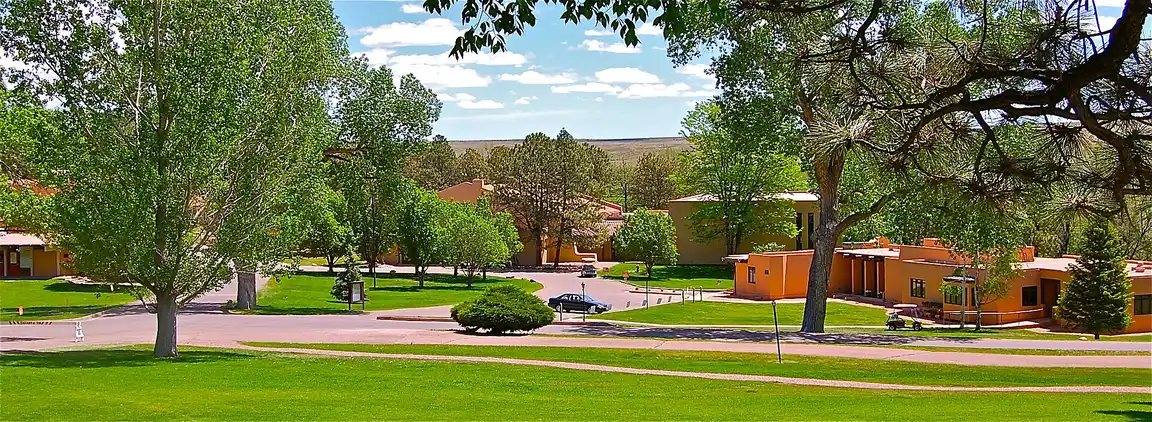
Skiing at Fountain Valley sits in the winter afternoon activities program rather than on an interscholastic team roster. The school's 40-acre Mountain Campus near Buena Vista, roughly two hours from the main Colorado Springs campus, provides year-round outdoor access and proximity to Colorado's ski resorts. This is where skiing and outdoor adventure are part of daily life rather than a competitive athletic track.
→ Browse all US boarding schools with ski programs
2. Canada
Canadian ski boarding schools cluster around Ontario, Quebec, and British Columbia, with alpine racing, snowboard teams, and recreational skiing built around proximity to major resorts.
Families new to the Canadian admissions process can start with how to apply to boarding schools in Canada before narrowing down a ski program specifically.
2.1 Trinity College School (Port Hope, Ontario)
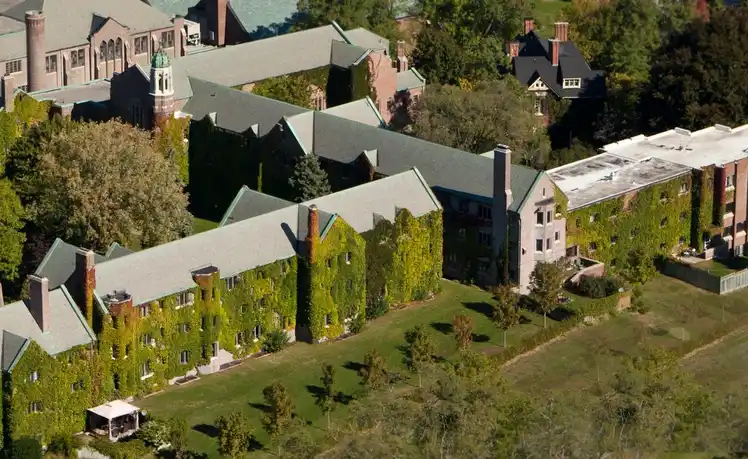
Trinity runs a competitive alpine ski program with weekly races, coached training, and a full winter schedule. A traditional boarding school with a strong ski team inside a broader athletic program.
2.2 Queen Margaret's School (Duncan, British Columbia)
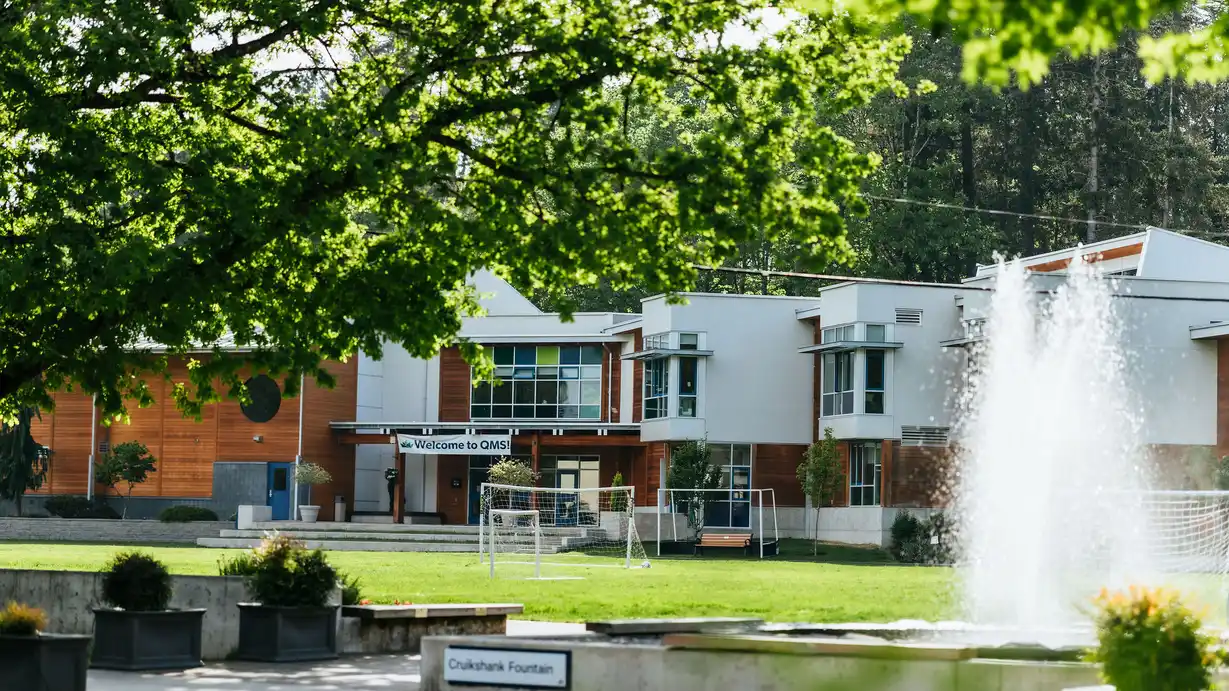
Queen Margaret's launched a combined Ski & Snowboard Team in 2026, competing in both disciplines out of British Columbia. The dual-discipline structure means a student interested in snowboarding does not have to treat it as secondary to alpine racing. One of Canada's newer examples of a snowboarding boarding school paired with a full alpine program under one roof.
2.3 Stanstead College (Stanstead, Quebec)
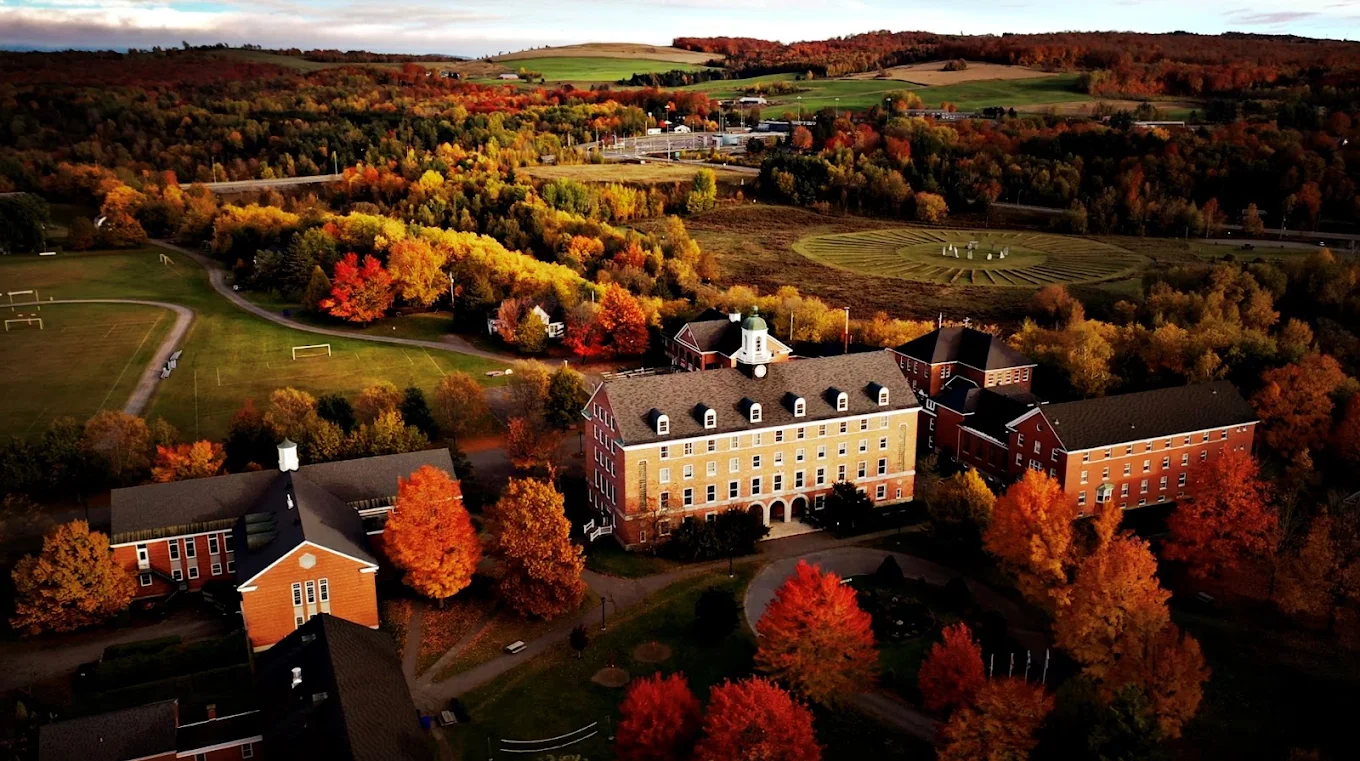
Stanstead offers intramural cross-country skiing in Quebec, built around the school's winter landscape rather than a competitive league. A good fit for students who want skiing in their week without race schedules or travel commitments. The tone here is closer to recreation than competition.
2.4 Brentwood College School (Mill Bay, British Columbia)
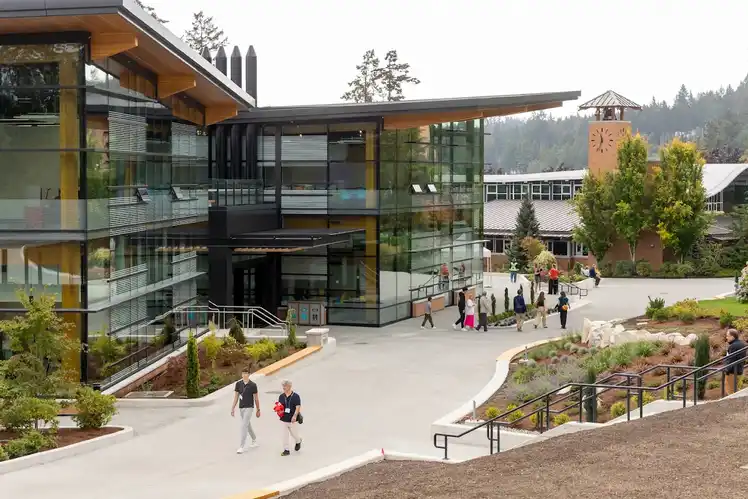
Brentwood runs recurring recreational ski trips on most Sundays through the ski season, using proximity to Vancouver Island's mountains. Skiing here is a weekend rhythm rather than a team commitment.
→ Browse all Canadian boarding schools with ski programs
3. Switzerland
Ski boarding schools in Switzerland often have Alpine terrain accessible from campus, with both competitive teams and regular recreational skiing built into the school week.
The application process for Swiss boarding schools differs from the US and UK, so it's worth reviewing before applying to a ski-specific program.
3.1 Aiglon College (Chesières-Villars, Switzerland)
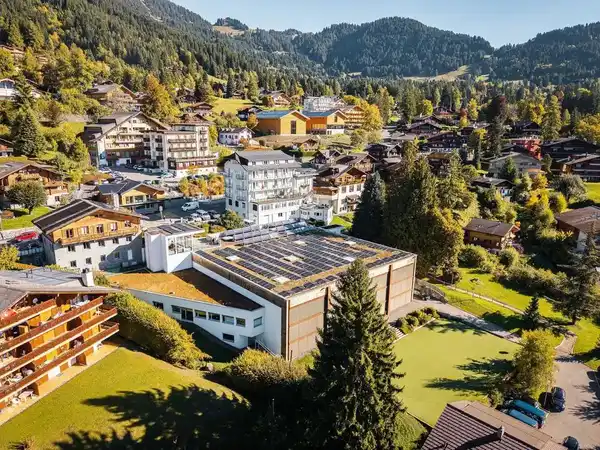
Full sport program with regular skiing built into the school schedule, using Alpine terrain minutes from campus. One of the most established examples of a ski boarding school in Switzerland where mountain access shapes daily life.
3.2 Leysin American School (Leysin, Switzerland)
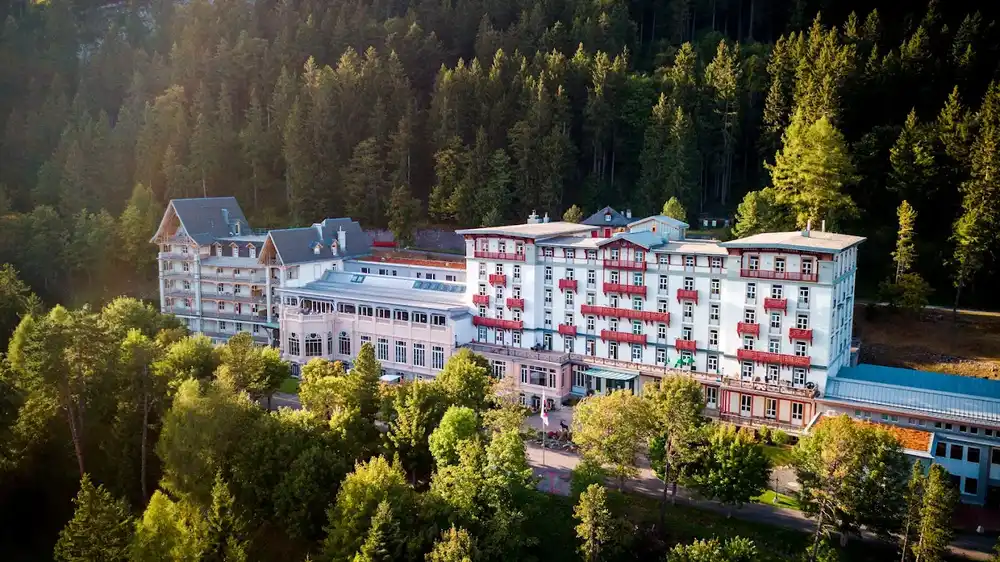
Regular skiing and snowboarding throughout the winter, plus dedicated Freeride and Freestyle teams. Located in a ski resort town, this is one of the clearer examples of a ski boarding school in Switzerland with immediate mountain access.
3.3 TASIS The American School in Switzerland (Montagnola, Switzerland)
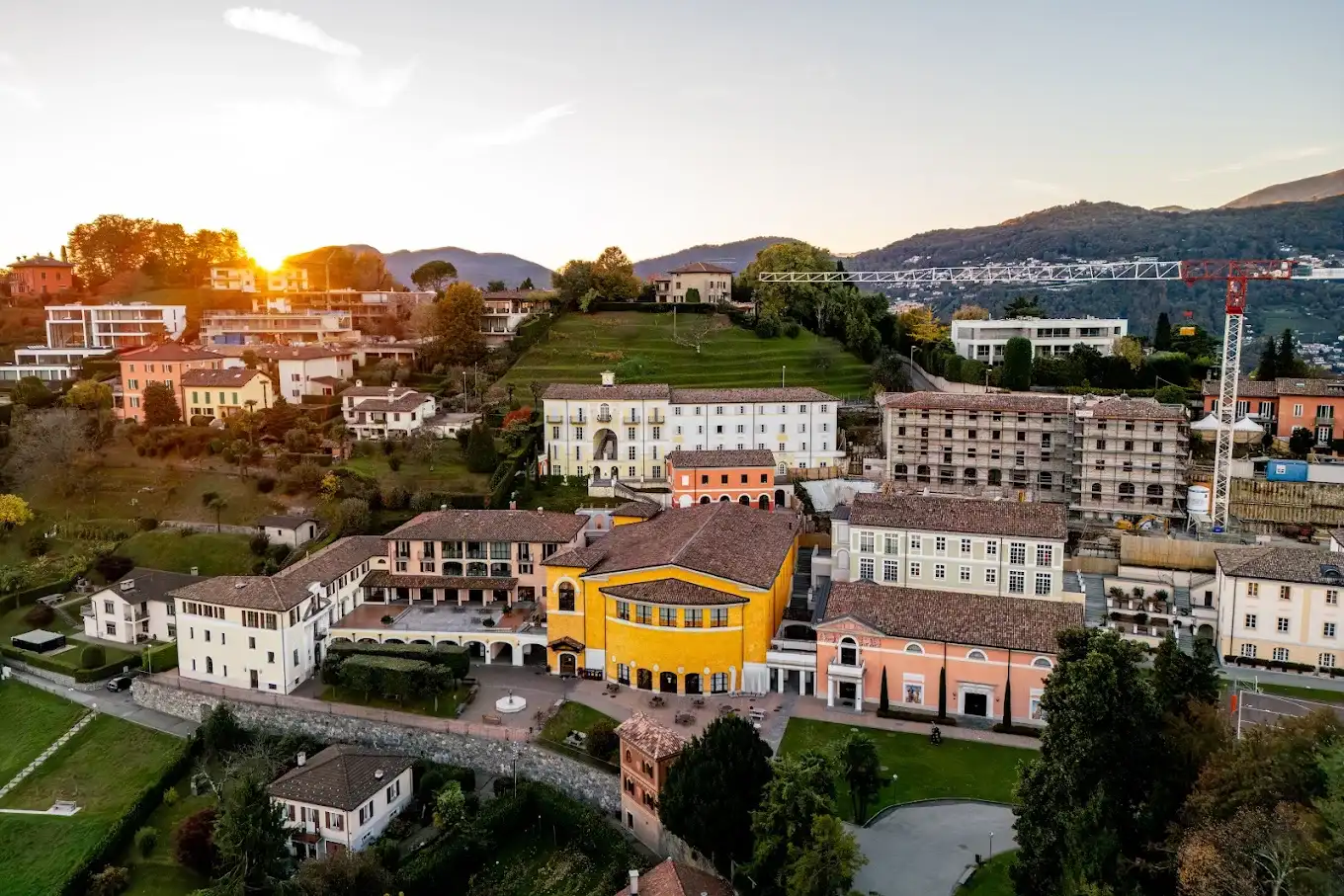
TASIS lists girls' and boys' downhill skiing among its competitive winter teams. The school sits near Lugano, not in a resort town. Skiing is a structured competitive sport on a defined schedule. Another Swiss example of a boarding school with ski teams where competition is the point.
→ Browse all Swiss and European boarding schools with ski programs
4. United Kingdom
UK boarding schools with ski teams may train at dry slopes or indoor snow centers during term and travel abroad for on-snow races. The exact arrangement depends on the school’s location and competition calendar. Scotland has five mountain ski centers, though snow conditions vary through the season.
4.1 Millfield School (Street, Somerset)
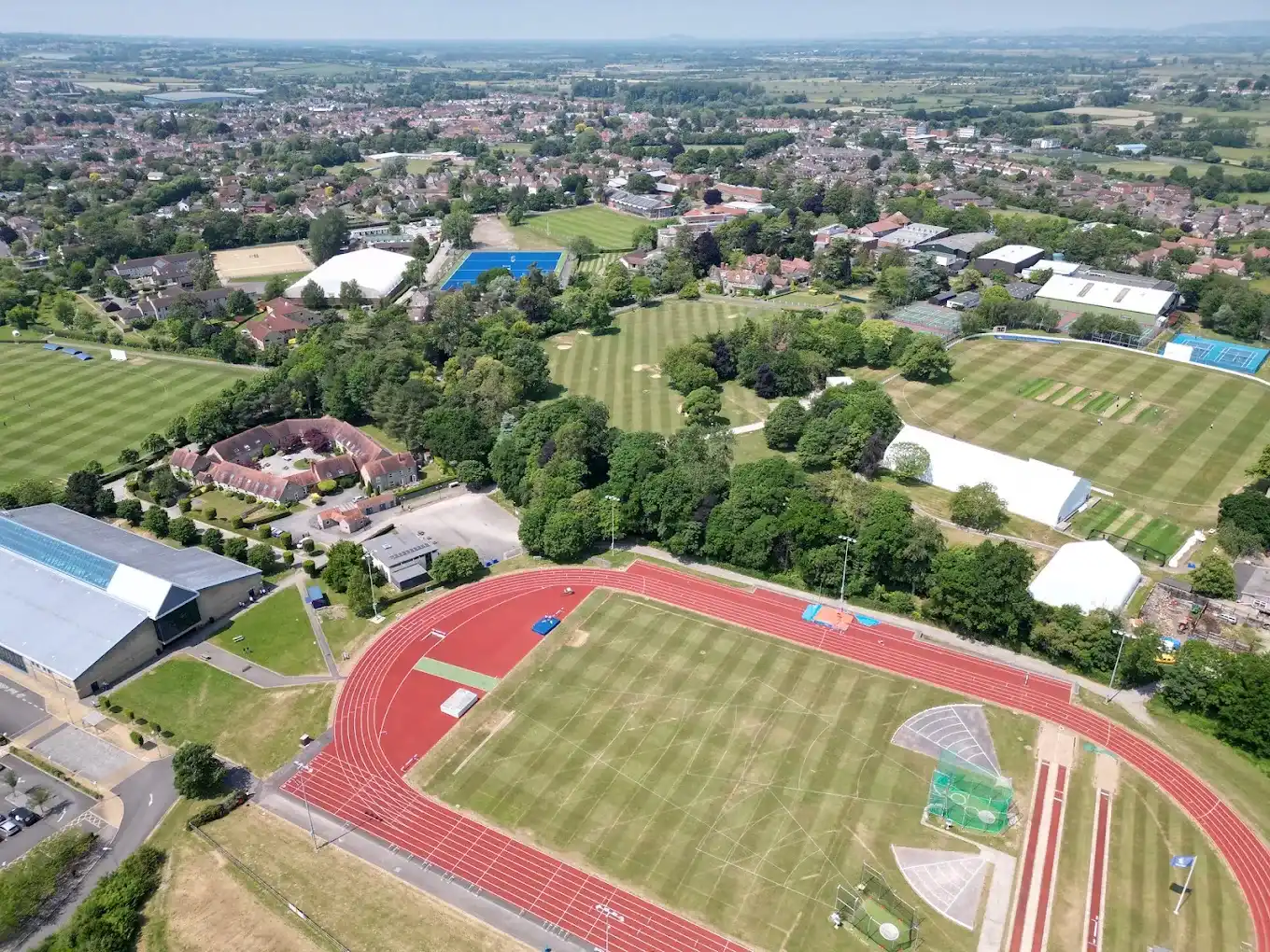
Runs a structured ski racing program with a defined pathway from beginner through competition, and the results back it up: the team won the 2025 National Schools Outdoor Championships South, with students selected to GB U16 Alpine and England National Alpine squads. One of the clearer UK examples of a boarding school that treats ski racing as a serious competitive track rather than a trip-based activity.
4.2 Gordonstoun (Elgin, Scotland)
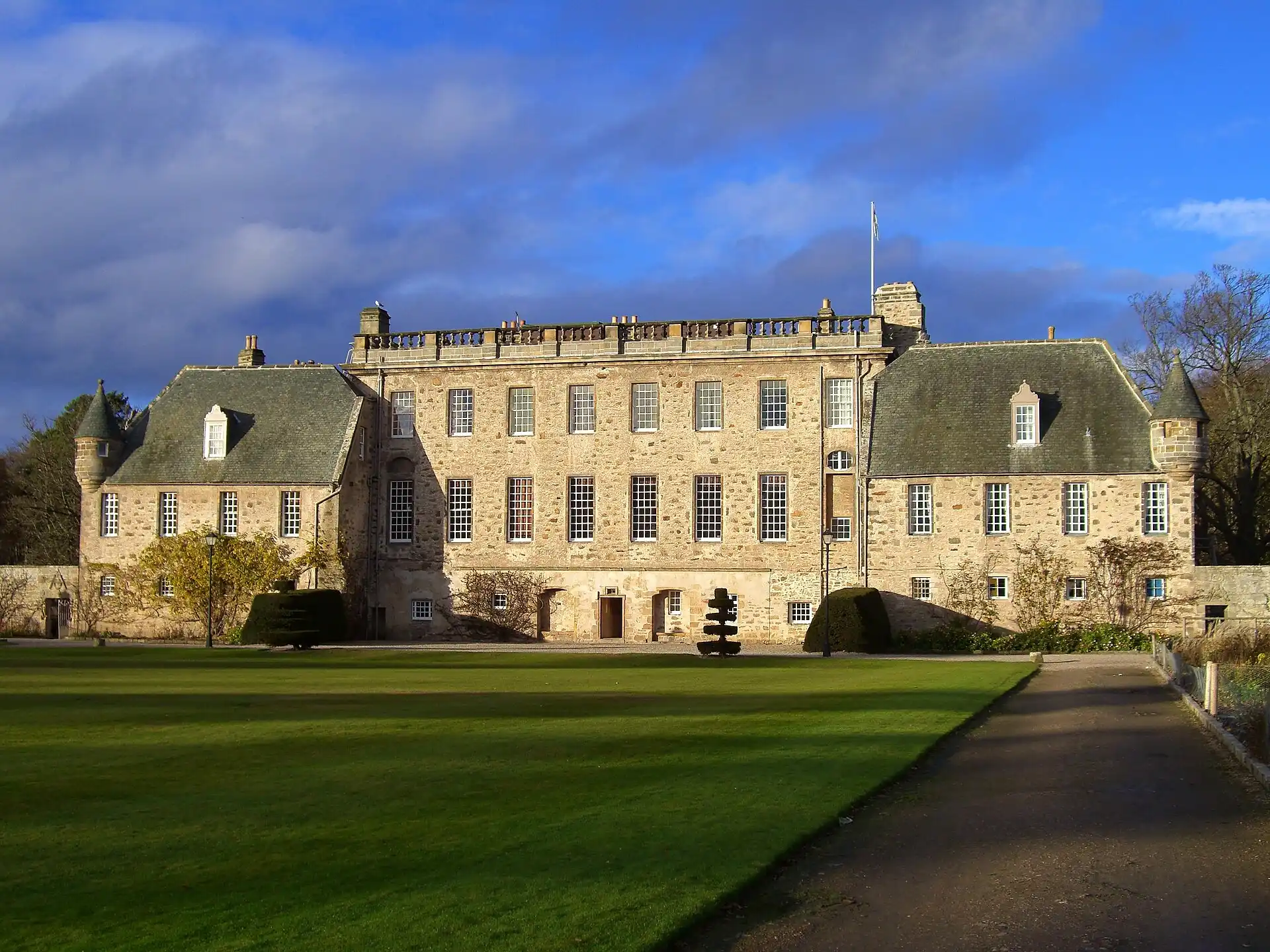
Offers a broader snowsports program covering skiing and snowboarding across its outdoor and co-curricular activities. Skiing here is a lifestyle activity for UK families, not a competitive track.
→ Browse all UK boarding schools with ski programs
What Counts as a Ski Boarding School
The difference shows up in the winter timetable. One school puts skiing on the athletics calendar; another runs it through afternoon activities or weekend outings. The words “team,” “club,” and “program” do not always tell you which one you are looking at.
1. Competitive Ski and Snowboard Teams
At boarding schools with ski teams, students train with coaches and work toward races or other competitions. Teams may travel for school meets, while some schools also support students competing outside the school circuit. A current roster and race calendar show what the team does more clearly than a broad promise of mountain access.
2. Recreational Skiing and Snowboarding
A recreational ski program gets students onto the slopes without making competition the point. That might mean regular afternoons at a nearby resort or a school bus to the mountain on Sundays. Lessons and supervision can make skiing a real part of boarding school life, even without a team. A single annual trip does not put skiing into the school week.
Ski Disciplines at Boarding Schools
Boarding schools with ski programs cover a range of disciplines, and not every school offers all of them.
1. Alpine Ski Racing
Alpine racing is the most common competitive discipline at boarding schools. It covers four events: slalom, giant slalom, super-G, and downhill. Most interscholastic programs focus on slalom and giant slalom, since those require shorter, more accessible terrain. Super-G and downhill need longer, steeper courses and are less common at the high school level, though some schools near larger resorts do include them.
Students on a competitive alpine track train on gates, work on edge control and turn timing, and race against other schools through their league circuit. At the US Ski & Snowboard level, alpine racing runs on a points system that determines national ranking. A boarding school student can race at both the interscholastic level and the US Ski & Snowboard level simultaneously if the school's schedule allows it.
2. Freestyle and Freeride
Freestyle skiing covers moguls, aerials, halfpipe, and slopestyle. Freeride covers big mountain and off-piste terrain. The two are distinct disciplines with different training demands, but boarding schools often group them together under one program.
Freestyle and freeride programs are less common than alpine at the high school boarding level, but they exist. Leysin American School in Switzerland runs dedicated Freeride and Freestyle teams. Some US boarding schools near terrain parks offer informal freestyle training alongside their alpine program. For a student whose focus is park skiing, halfpipe, or off-piste racing, the question to ask any school is whether the program has a coach specifically for that discipline or whether freestyle is treated as a secondary activity for alpine skiers.
3. Snowboarding
Snowboarding runs as a separate competitive discipline at some boarding schools, not an extension of the alpine ski program. The competitive events are giant slalom, slalom, slopestyle, and snowboard cross. Some schools field a snowboarding team that competes in the same league circuit as their alpine team. Others offer snowboarding recreationally but have no competitive team.
Brewster Academy runs a full snowboarding team competing across giant slalom, slopestyle, and snowboard cross. Queen Margaret's School in British Columbia fields both ski and snowboard teams for competition.
These are not typical. Most boarding schools with a ski team do not automatically have a snowboarding team. Families specifically looking for snowboarding boarding schools should check whether the school fields a competitive snowboarding team.
4. Cross-Country and Nordic
Cross-country and Nordic skiing are distinct from alpine and snowboard disciplines in almost every way: terrain, technique, equipment, and training approach. Nordic skiing covers classic and skate techniques on groomed trails rather than groomed slopes. Racing events range from sprint formats to longer distance races.
Nordic programs at boarding schools are less common than alpine, but they exist and some are competitive. St. Johnsbury Academy in Vermont runs a Nordic team at Vermont state-championship level alongside its alpine program. Stanstead College in Quebec offers intramural cross-country skiing for students who want Nordic skiing without a race commitment.
A student whose primary interest is Nordic should not assume a school with a "ski program" covers both. The two programs use different terrain, different equipment, and different coaching expertise. A school can run an excellent alpine team and have no Nordic program at all.
→ Browse boarding schools with Nordic programs
Training Facilities and Mountain Access
1. On-Mountain Training Infrastructure
Schools with competitive ski teams train at a nearby resort or on a dedicated race hill. A resort arrangement means shared terrain. The team trains on public slopes and sets gates around the resort's schedule. A dedicated race hill means the school or a partner club controls the terrain, the gate setup, and the snowmaking. Students get more consistent course time and longer seasons when the hill is theirs.
Most boarding schools use a shared resort arrangement. It works well for interscholastic competition. A family looking at a more intensive racing environment should ask whether the school has a dedicated training venue and how many days per week the team actually gets on snow.
2. Dryland and Off-Season Facilities
Skiing does not stop when the snow melts. Competitive programs run dryland conditioning through the rest of the year, covering strength, agility, and the balance and body awareness that translate directly to on-snow performance. Trampoline facilities and gymnastics equipment show up at more intensive programs for exactly that reason. Most boarding schools with ski teams fold dryland work into the general athletics schedule rather than running a ski-specific off-season program.
A family evaluating this should ask what the team does between March and December, who runs the conditioning program, and whether it is designed around skiing or general fitness. The answer tells you how seriously the school treats skiing as a year-round sport.
3. Resort Partnerships and Ski-In/Ski-Out Access
How far a school sits from its training mountain determines how much of each session is actually spent skiing. A school fifteen minutes from the resort gets meaningfully more on-snow time per afternoon than one that buses forty minutes each way. Over a full season, that adds up. Schools in Vermont, New Hampshire, and the Swiss Alps tend to sit close to their training terrain. Many schools in southern New England and elsewhere face longer drives.
Ski-in/ski-out access, where the mountain is directly adjacent to campus, is rare. It exists at a handful of Swiss schools where the campus sits inside a resort village. For most ski boarding schools in Canada and the US, proximity is a practical consideration worth checking before visiting, not something to assume from a school's general location.
How to Choose a Ski Boarding School
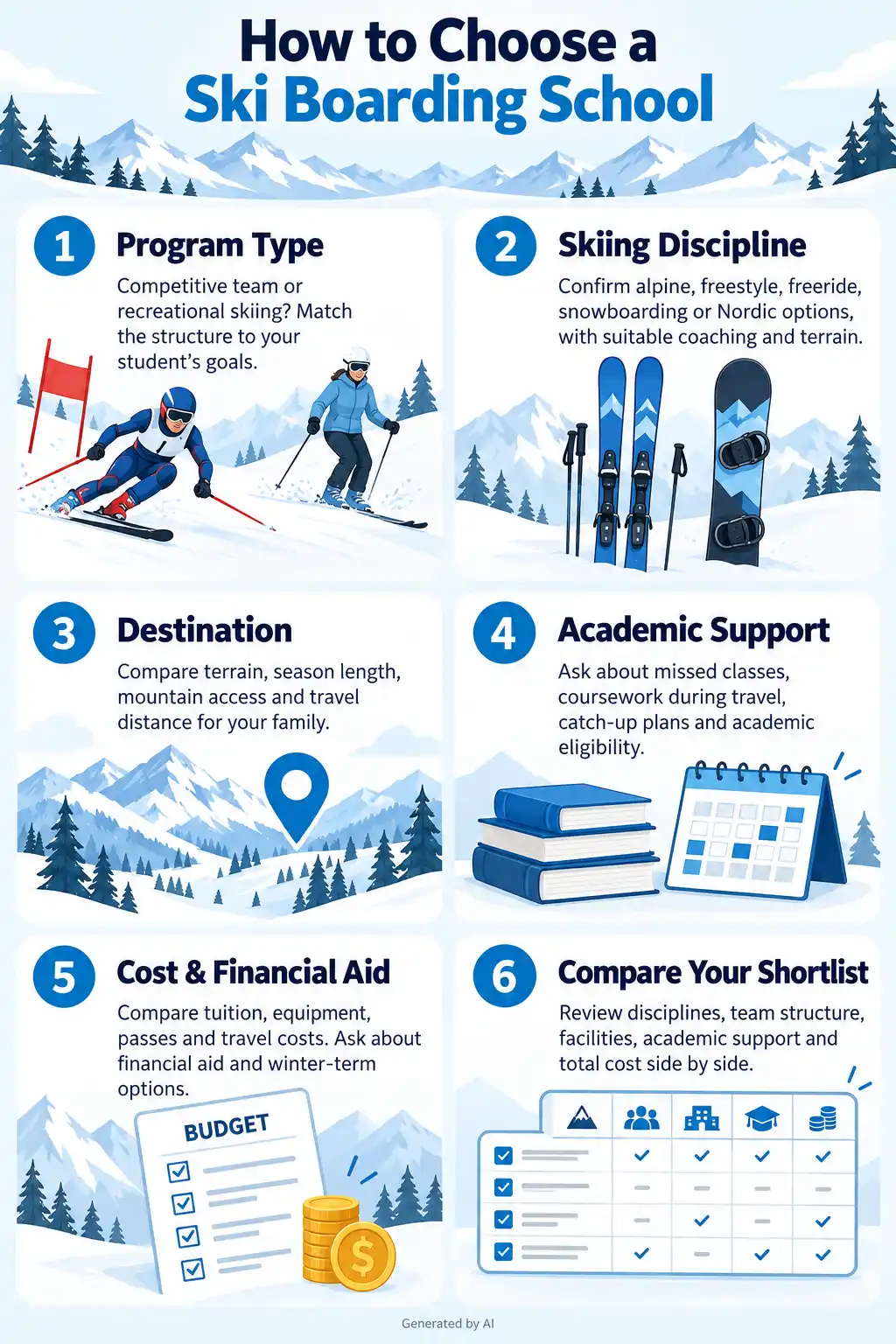
1. Competitive Team or Recreational Program
Start with what we’ve already covered: is this a competitive ski team with a league, a schedule, and a coach, or a recreational program built around access and enjoyment. That single distinction shapes everything else about the decision, from cost to academic demands to how much travel to expect.
A student who wants to race should look at competitive programs specifically. A student who wants skiing as part of school life without the pressure of competition has a much wider range of schools to consider.
2. Which Discipline
Not every school offers every discipline. Alpine is the most common, but freestyle, freeride, snowboarding, and Nordic all require different terrain, coaching, and sometimes a completely separate team from the alpine program. A school with a strong alpine team may have no Nordic program at all, and vice versa.
Confirm the specific discipline before assuming a "ski program" covers what a student wants to do. Families searching for the best ski boarding schools should narrow by discipline first. The best fit for an alpine racer and the best fit for a Nordic skier are rarely the same school.
3. Which Destination
New England, Colorado, Canada, and Switzerland all offer different combinations of terrain, season length, and travel distance to training. New England has the highest concentration of competitive boarding school ski programs. Colorado and other Western states offer more snow reliability but fewer schools. Switzerland offers the closest thing to daily mountain access.
Destination also affects travel for families, which is worth weighing alongside the right age to consider boarding school in the first place, since younger students and longer distances don't always mix well.
4. How Schools Handle Academics During Race Season
Race season means travel, and travel means missed class time. Schools handle this differently, some with travel tutors and structured catch-up plans, others with little formal support. Before enrolling a competitive skier, ask:
How many school days does a team member typically miss during race season?
Who manages coursework while a student is traveling?
Is there a minimum academic standing required to stay on the team?
The answers say more about how well academics and skiing coexist at a given school than any general claim about balance.
5. Cost and Financial Aid
Full-term boarding at a competitive ski program typically runs $50,000 to $60,000 a year, with day programs somewhat lower. Some schools offer shortened winter-term-only enrollment at a reduced cost. Financial aid is available at many schools but varies significantly, so it is worth asking directly rather than assuming based on the sticker price.
6. Comparing Programs Side by Side
Once a family has a shortlist, the details in this article (discipline, competitive structure, facilities, and academic handling during race season) are easier to weigh using a side-by-side comparison than by reading through individual school websites one at a time.
Start Building Your Shortlist
For families ready to build a shortlist, McMillan Education's Boarding School Guide lets you browse boarding schools with ski programs and narrow by region, discipline, and other criteria. The comparison tool makes it easy to weigh a few schools side by side once the shortlist is down to a handful.
If skiing is one of several sports still on the table, boarding schools for athletes covers the wider landscape, from recruiting timelines to how schools balance sport and academics across disciplines.
For families who want guidance through the admissions process itself, our boarding school admissions consultants have decades of experience placing students in boarding schools with strong ski programs.
Speak with a boarding school admissions consultant to start planning.
Frequently Asked Questions
1. What is a ski boarding school?
A ski boarding school is a boarding school with a competitive ski team, a recreational ski program, or both. The term covers a wide range, from schools with a fully coached alpine team to schools where skiing is a weekend activity.
2. What age can kids start at a ski program?
Ages vary by school and by program type. Junior boarding schools like Rumsey Hall run competitive ski teams starting at grade 5. Most competitive high school programs start around grade 9. Check our boarding school age guide for how age ranges work across boarding schools generally.
3. What's the difference between a competitive ski team and a recreational program?
A competitive team has a league affiliation, a season schedule, and coached training toward races. A recreational program gets students skiing regularly without the competitive structure, whether through weekly trips, an afternoon activity block, or intramural skiing.
4. Can students focus on snowboarding or freestyle skiing instead of alpine racing?
At some schools, yes. Snowboarding and freestyle boarding schools with dedicated teams for those disciplines exist, but they're less common than alpine programs. Confirm the specific discipline a school competes in before assuming a "ski program" covers snowboarding or freestyle.
5. Can students board for just the winter term?
Some schools offer winter-term-only enrollment for students focused on a ski season, typically at a reduced cost compared to full-year boarding.
6. How do students keep up with schoolwork while traveling for competitions?
This varies by school. Some use travel tutors, pre-packaged assignments, or proctor study halls during race season. Others rely on students managing coursework independently. Ask a school directly how it handles missed class time before enrolling a competitive skier.